

The web landscape moves faster than ever, and as the owner of Connect Dorset, I make a point of keeping an eye on the shifts that really matter for businesses of all sizes. Lately, one of the questions clients keep asking us is: what’s the next big thing in hosting, and how can it actually help our business?
Today, I’d like to discuss a truly game-changing approach - microservices architecture in web hosting - and explain why it matters, no matter if you’re running an e-commerce empire on Shopify, managing bookings through bespoke systems, or simply want your WordPress website to scale reliably.
What Is Microservices Architecture (and Why Should You Care)?
Traditionally, websites and web applications have been built on the so-called "monolithic" model. This means all your code, features, databases and integrations live in one big block. It works - until it doesn’t. When you want to update one part, you risk breaking the rest. Scaling becomes clunky and resource-intensive.
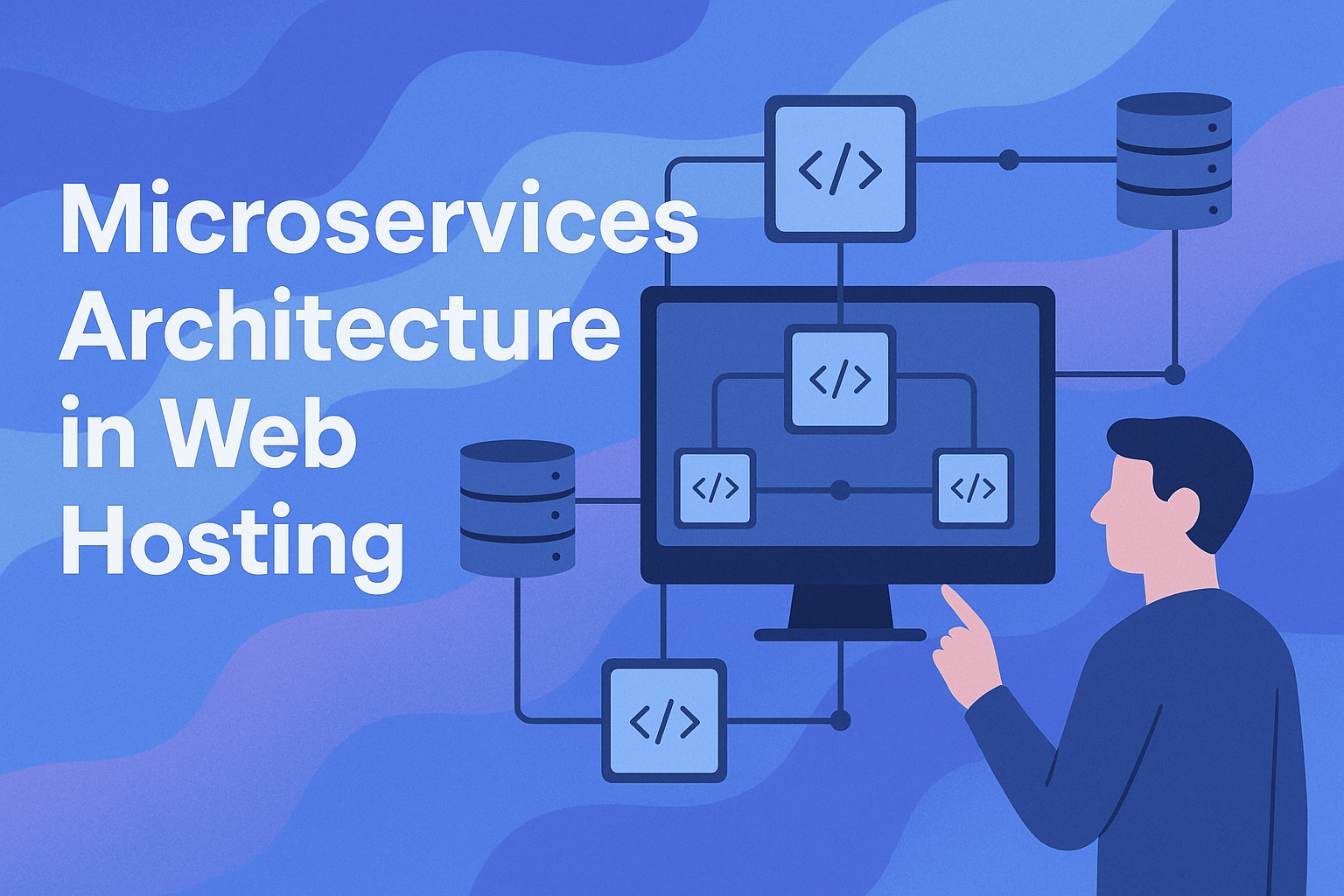
Microservices architecture flips that on its head. Instead, your website is made up of smaller, independent modules - think of them as specialised building blocks. Each one handles a specific function, like authentication, payments, search, or product catalogue. The real magic? If you need to update or scale one block, it doesn’t disrupt anything else.
Why Microservices Matter for Modern Websites
As someone who’s worked with businesses all over Dorset (and beyond), I see three clear benefits for clients:
1. Greater Reliability
If a traditional "all-in-one" website crashes because one feature fails, the entire site can go down. With microservices, issues in one service won’t topple the others. This means better uptime and a smoother experience for your users.
2. Faster Development and Updates
Because each microservice can be updated separately, businesses aren’t held back by slow release cycles. Whether you want to add new Shopify functionality, improve your SEO tools, or test a new booking feature, changes can be rolled out faster, and with less risk.
3. Efficient Scaling and Cost Savings
Microservices let you scale specific parts of your website up or down, based on demand. Got a special offer creating a surge in bookings? Add power just where you need it, instead of having to pay for massive resources for your entire website all the time.
Real-World Scenarios for Connect Dorset Clients
Here’s where it gets exciting for business owners and entrepreneurs in Dorset:
- E-commerce Stores: Imagine only scaling the checkout and product catalogue services during holiday sales. No need to waste resources on parts of your site with normal traffic.
- Booking Systems: Roll out a new payment gateway or calendar feature without worrying about breaking existing appointments data or customer accounts.
- SEO and Content: Plug in new content analysis tools or SEO services as independent modules, helping you instantly adapt to the latest search algorithm changes.
Is It the Right Fit for You?
Not all businesses will need the full power of microservices from day one, and that’s absolutely fine. But as your needs grow, and you want your site to be more resilient, scalable and flexible, it’s worth considering this structure - especially at the hosting level.
At Connect Dorset, we’re always exploring future-ready hosting approaches for our clients, whether you’re on WordPress, Shopify, or a fully custom-built platform. If you’re interested in learning how microservices could benefit your next project, or want to chat about modernising your existing setup, get in touch with us.
The Takeaway
Microservices aren’t just a tech buzzword - they represent a smarter, more flexible way to build and host websites. As we all look for better performance, easier updates and room to grow, this is a trend that’s only going to accelerate.
Whether you’re planning your next big website, or just want to make sure your hosting isn’t holding you back, Connect Dorset is here to support your digital journey. Have questions? Contact us today and let’s talk about what’s possible for your business.
If you’d like to see a future topic covered, or want tailored advice, just drop us a line - we love sharing insights that make a real impact on Dorset’s digital community.